

March 16, 2026
Culinary Traditions of the Mediterranean
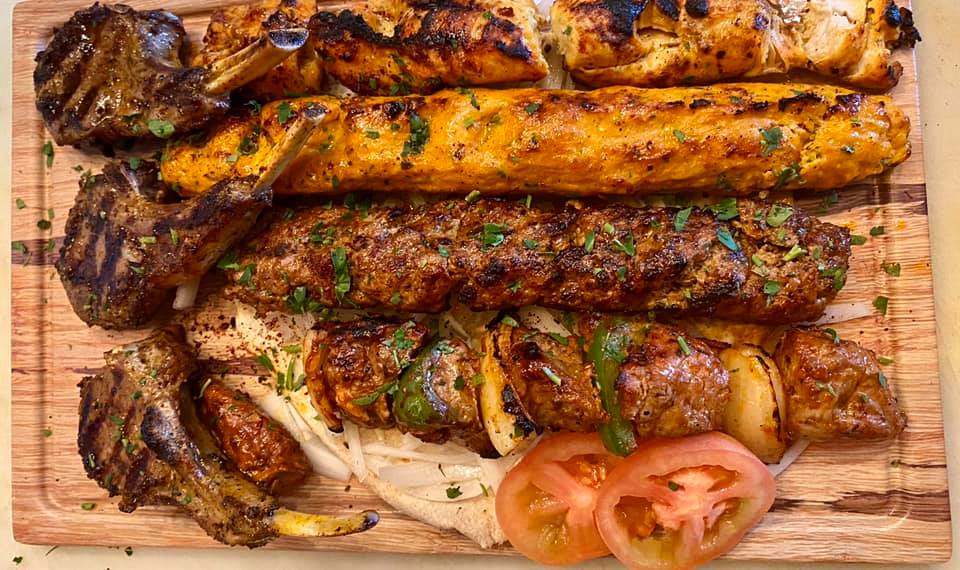
Mediterranean food isn’t simply a sum of its ingredients. When you tuck into a delicious piece of falafel or a rich and inviting kabob, you are enjoying food that has been made for centuries. The food we enjoy today has a rich history to it, both from its ingredients and how it’s eaten. Let’s take a look at the culinary traditions of the Mediterranean.
Not Just Food
The Mediterranean diet has become famous around the world for its healthiness, but it’s not just about eating well. In Mediterranean culture, a meal is more than just food. It’s something to be shared with friends, family, or the community at large.
Hospitality is just as important as eating with someone. It’s just as important to be able to serve food as it is to eat it.
Food is also meant to be appreciated, savored, and eaten slowly. The next time you sit down for an authentic Mediterranean meal, take the time to savor each bite. It’s part of the tradition.
Healthy Ingredients
The Mediterranean is a sun-drenched land rich with sea food, fresh vegetables, and vine ripened fruits. The food itself was shaped by these bountiful ingredients, and perfected over centuries to become the delightful recipes we know.
These fresh ingredients became the cornerstone of the recipes we are familiar with, and shaped incredibly healthy eating. The food is so healthy, in fact, studies have been done on the people of the island of Crete, due to their impressive heart health and long lifespans. It’s generally agreed that the diet they eat causes their incredible health and long life.
Mediterranean food is so special that the Unesco World Heritage Organization has placed it on the UNESCO list of Intangible Cultural Heritage of Humanity. This gives it much the same value as world heritage site, only it is the food that is so important to the culture.
An Important Treat
Food is central to Mediterranean tradition, and not just in a general sense. One familiar treat we’ve all enjoyed at one point or another is baklava. Baklava is a pastry made of many layers of dough, as well as honey and nuts.
Baklava has been around since ancient times, with children learning how to make it from an early age by their parents. The treat has special significance and is often given out as gifts during Easter celebrations. No two recipes for Baklava are the same, with each recipe shaped by the generations of family who have put their own twist into it. The results are all delicious, and certainly Baklava, but as unique as a fingerprint.
Conclusion
Every aspect of Mediterranean food has cultural significance. The next time you eat some delicious Mediterranean food, take a moment to appreciate the centuries of love, care, and community that went into shaping that food.
Thanks to thousands of years of crops, cooking, and knowledge passed down through the generations, we can enjoy many of the same healthy, amazing food that our ancestors enjoyed.
 Previous
